Iceland in Winter vs Summer: Which Is Better?

Updated: May 3
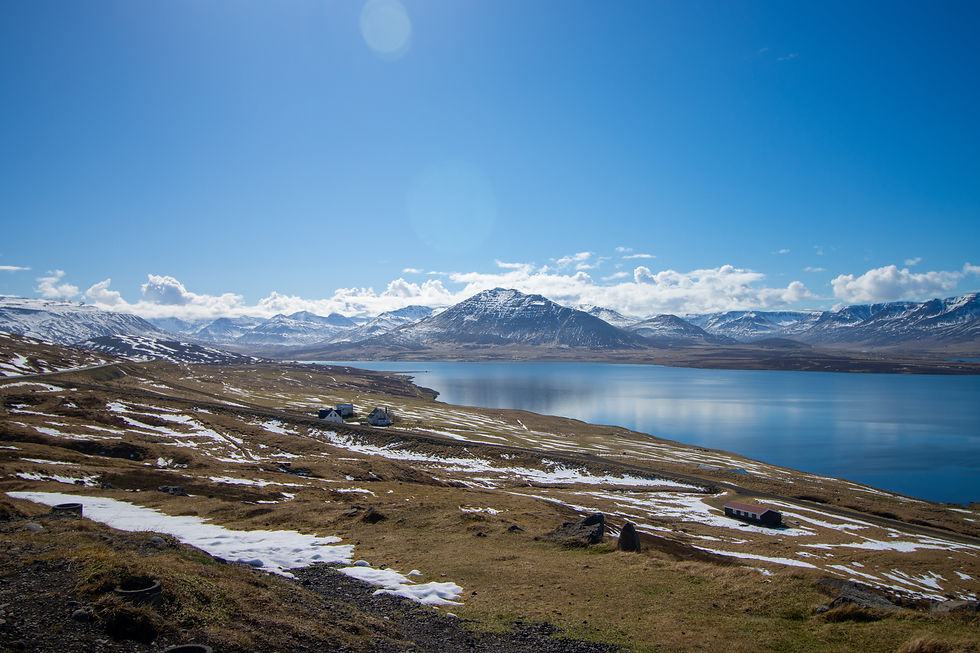
Iceland is one of those rare destinations that feels completely different depending on when you visit. In the summer, you’ll find endless daylight, lush green landscapes, and easy access to almost every corner of the island. In the winter, the country transforms into a dramatic снеscape of ice caves, frozen waterfalls, and the chance to see the Northern Lights dancing across the sky.
So which season is actually better? The honest answer: it depends on what kind of trip you’re looking for. Whether you prefer long road trips under the midnight sun or chasing auroras through snowy landscapes, both seasons offer something unique, but they also come with very different challenges, costs, and experiences.
In this guide, we’ll break down the key differences between visiting Iceland in winter and summer, including weather, daylight, costs, and what you can realistically see and do. By the end, you’ll know exactly which season fits your travel style, and how to plan your trip the right way.
Quick Answer: Winter or Summer?
If you’re looking for the easiest and most flexible way to explore Iceland, summer is the better choice for most travelers. You’ll have long daylight hours, milder weather, and full access to popular routes like the Ring Road and even the remote Highlands. It’s the ideal season for road trips, hiking, and seeing a wide variety of landscapes without worrying too much about weather disruptions.

Winter, on the other hand, is perfect if you’re after a more unique and dramatic experience. This is the season for Northern Lights, ice caves, and snow-covered scenery that feels almost otherworldly. However, it comes with shorter days, more challenging driving conditions, and a need for more careful planning. If you don’t mind a bit of unpredictability, winter can be incredibly rewarding — just in a very different way than summer.
Weather in Iceland
Winter
Winter in Iceland (roughly November to March) is cold, but not as extreme as many people expect. Temperatures usually hover between -1°C and 4°C (30–39°F), especially along the coast. However, what makes winter feel harsher is the strong wind, which can significantly lower the perceived temperature and make conditions feel much colder than the thermometer suggests.
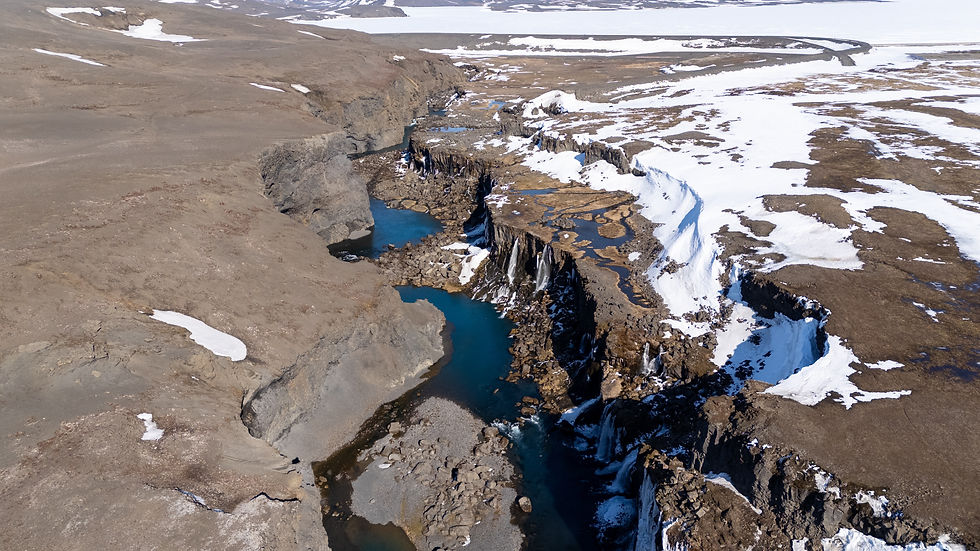
Snow is common across the country, especially in the north and inland areas, while the south coast often experiences a mix of snow, rain, and sleet. The weather is highly unpredictable, it’s not unusual to experience sunshine, snow, and heavy winds all within the same day. This variability is part of Iceland’s charm, but it also means you need to stay flexible with your plans.
Because of these conditions, winter travel requires more preparation. Roads can be icy, visibility can change quickly, and storms may temporarily disrupt travel plans. That said, the dramatic winter landscapes, frozen waterfalls, snow-covered mountains, and icy coastlines, create a unique atmosphere you simply won’t experience in any other season.
Summer
Summer in Iceland (June to August) offers much milder and more stable weather, making it the most popular time to visit. Temperatures typically range from 10°C to 15°C (50–59°F), although warmer days can reach up to 20°C (68°F). While it’s not a “hot” destination, the relatively mild climate makes outdoor activities far more comfortable.

Rain is still common in summer, but it usually comes in short bursts rather than long, harsh storms. You’ll also experience less wind compared to winter, which makes a big difference when exploring waterfalls, hiking, or driving long distances. Overall, the weather is far more predictable, allowing you to plan your days with greater confidence.
One of the biggest advantages of summer is accessibility. Roads are clear, mountain routes (including the Highlands) are open, and you can reach places that are completely inaccessible in winter. Combined with long daylight hours, this gives you the freedom to explore Iceland at a relaxed pace and make the most of every day.
Daylight Hours
Winter
Winter in Iceland is defined by very limited daylight, especially in the darkest months of December and January. During this time, you can expect as little as 4 to 5 hours of daylight per day, typically between late morning and early afternoon. This means your time for sightseeing is much shorter, and careful planning becomes essential if you want to make the most of each day.

However, the long nights also create one of Iceland’s biggest winter highlights: the chance to see the Northern Lights. With extended darkness, you have more opportunities to spot this natural phenomenon, especially on clear nights away from city lights. The soft, low-angle light during the day also creates beautiful, dramatic landscapes that are perfect for photography.
That said, limited daylight can feel restrictive, particularly if you’re trying to cover long distances or follow a tight itinerary. You’ll need to prioritize your must-see locations and accept that you won’t be able to do as much in a single day compared to summer travel.
Summer
Summer in Iceland brings the opposite experience: nearly endless daylight thanks to the Midnight Sun. From late May to early August, the sun barely sets, and in June, you can enjoy close to 24 hours of daylight. Even at “night,” it stays bright enough to continue exploring or driving comfortably.
This extended daylight gives you incredible flexibility. You can start your day early, take breaks when you want, and visit popular attractions outside of peak hours, for example, late in the evening when crowds are smaller. It also allows you to fit more activities into each day without feeling rushed.
For many travelers, this is one of the biggest advantages of visiting Iceland in summer. The long days make it easier to follow a road trip itinerary, explore remote areas, and fully experience everything the country has to offer without constantly watching the clock.
What You Can See & Do
Winter
Winter in Iceland transforms the entire country into a dramatic, almost otherworldly landscape. One of the biggest highlights is the chance to see the Northern Lights, which are most visible on clear, dark nights between September and March. For many travelers, this alone is a reason to visit during winter.
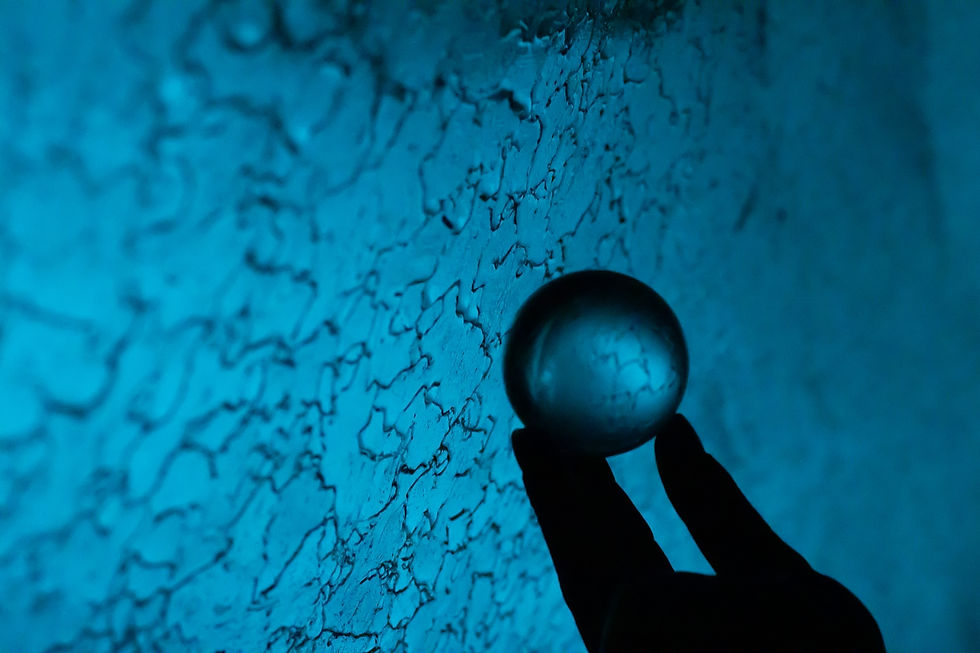
Another unique winter experience is exploring ice caves, which form naturally inside glaciers. These caves are only accessible in the colder months and offer an unforgettable experience of walking through deep blue, crystal-like ice formations. Popular glacier areas like Vatnajökull become major highlights during this season.
Beyond that, winter is perfect for experiencing Iceland’s raw natural beauty in its most intense form. Frozen waterfalls, snow-covered mountains, and black sand beaches dusted with ice create incredibly photogenic scenes. You can also enjoy activities like snowmobiling, glacier hiking, and relaxing in geothermal hot springs surrounded by snow.
Summer
Summer is the best season for exploring Iceland’s full range of landscapes and outdoor activities. With accessible roads and mild conditions, it becomes much easier to travel the famous Ring Road, which circles the entire country and connects many of its top attractions.
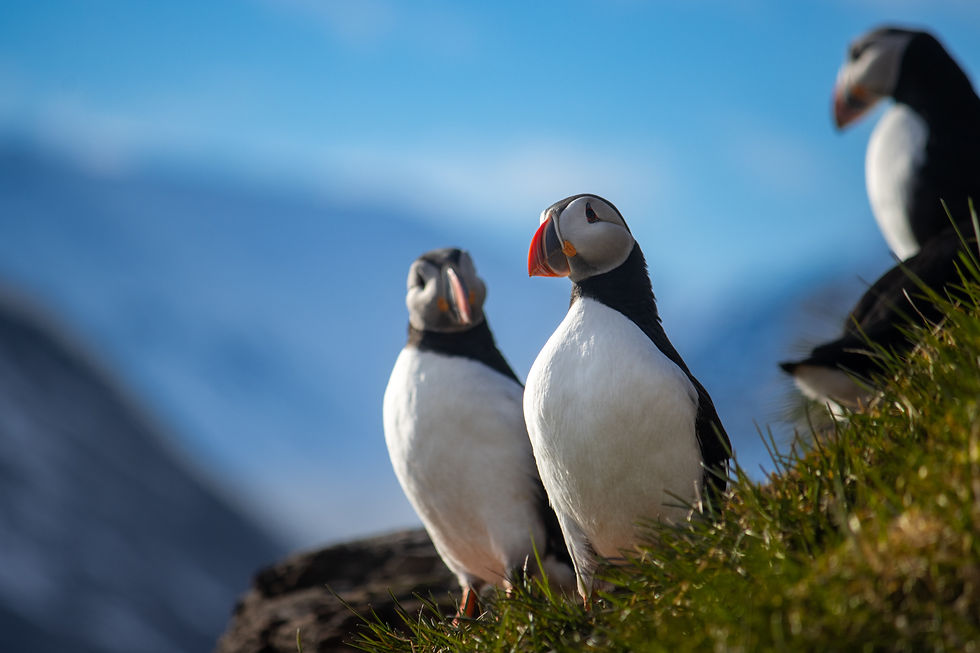
This is also the best time for hiking and exploring the Highlands, a remote and rugged interior region that is completely inaccessible in winter. Trails like Landmannalaugar offer colorful mountains, hot springs, and some of the most unique scenery in Iceland.
In addition, summer allows you to see Iceland’s most famous natural attractions in their most accessible form: waterfalls, geysers, volcanoes, and national parks can all be visited without worrying about snow or road closures. Combined with long daylight hours, you can explore at a relaxed pace and fit much more into each day.
Driving Conditions & Safety
Driving in summer
Driving in Iceland during summer is generally straightforward and the easiest time for a road trip. Most roads, including the famous Ring Road, are fully open and in good condition, allowing you to reach almost all major attractions without major restrictions. This makes summer the ideal season for first-time visitors who want freedom and flexibility.
Weather conditions are usually stable, with clear roads and minimal disruptions. While rain and wind can still occur, they rarely cause serious travel issues. This means you can plan longer driving days with confidence and make spontaneous stops along the way without worrying too much about safety or closures.
Another big advantage is that daylight is almost constant, giving you extra visibility and more time on the road. You can drive late into the evening without darkness becoming a concern, which makes it much easier to cover large distances and follow a full itinerary at your own pace.
Driving in winter
Driving in Iceland during winter is a completely different experience and requires much more preparation. Roads can be icy, snowy, and occasionally closed due to storms, especially in rural areas and the north of the country. Even major routes can be affected by sudden weather changes, so flexibility is essential.
Conditions can change quickly, with strong winds, low visibility, and black ice making driving more challenging. For this reason, a 4x4 vehicle is often recommended, and travelers need to regularly check road conditions before setting out. Driving slowly and cautiously is not just recommended, it’s necessary for safety.
Despite the challenges, winter driving can also be incredibly rewarding. You’ll often find empty roads and dramatic snowy landscapes that feel untouched and remote. However, it’s important to plan shorter driving distances per day and always have backup options in case weather conditions force changes to your itinerary.
So… Which Season Should You Choose?
Choosing between winter and summer in Iceland really comes down to what kind of experience you want. From everything we’ve covered, summer clearly stands out for easier travel, longer daylight hours, stable driving conditions, and full access to the entire country, making it ideal for road trips and first-time visitors.
Winter, on the other hand, offers a completely different side of Iceland: dramatic snowy landscapes, frozen waterfalls, ice caves, and the magical Northern Lights. It’s more challenging to travel, with shorter days and tougher driving conditions, but it rewards you with a raw and unique atmosphere you won’t find in summer.

If you’re still unsure, there’s actually a “best of both worlds” option: April and September. These shoulder months offer a great balance between the two seasons. You can still experience snow in some areas or catch early Northern Lights in September, while also enjoying longer daylight, more manageable roads, and generally milder weather. On top of that, these months come with fewer crowds and lower prices, making the overall experience more relaxed and often more affordable.

Comments