The ultimate Iceland travel guide: coutes, costs & hidden Gem

Updated: May 7
Iceland is one of the most unique travel destinations in the world. From towering waterfalls and black sand beaches to volcanoes, glaciers, and geothermal hot springs, the country feels like another planet entirely. Whether you’re planning a short getaway or a full Ring Road adventure, Iceland offers unforgettable landscapes around every corner.
But planning a trip here can also feel overwhelming. Distances are larger than they seem, weather changes quickly, and costs can add up fast if you’re not prepared. Choosing the right route, season, and accommodations can make the difference between a stressful trip and the adventure of a lifetime.
This ultimate Iceland travel guide covers everything you need to know, including the best routes, realistic travel costs, and hidden gems you shouldn’t miss. By the end, you’ll have a much clearer idea of how to plan the perfect Iceland itinerary.
Best Routes Through Iceland
Planning the right route is one of the most important parts of an Iceland trip. While the country may look small on a map, driving distances can be surprisingly long — especially when you constantly stop for waterfalls, viewpoints, black sand beaches, and scenic detours along the way. Because of this, choosing a route that matches your available time is essential if you want to enjoy the experience without feeling rushed.
For first-time visitors, the South Coast is usually the perfect introduction to Iceland. This route includes some of the country’s most famous attractions, such as Seljalandsfoss, Skógafoss, Reynisfjara Black Sand Beach, and the breathtaking Jökulsárlón Glacier Lagoon. A South Coast itinerary works especially well for trips between 5 and 7 days, offering a great mix of waterfalls, glaciers, beaches, and volcanic landscapes without requiring extremely long driving days.

If you have more time available, driving the full Ring Road is considered the ultimate Iceland road trip experience. This route circles the entire island and typically takes around 10 days to complete comfortably. Along the way, you’ll experience incredible variety — from volcanic landscapes and glaciers in the south to dramatic fjords in the east, geothermal areas in the north, and remote fishing villages far away from the busiest tourist areas.
For travelers who really want to explore Iceland in depth, there’s also the option to extend the Ring Road itinerary to around 15 days by adding the Westfjords. This remote region is one of the least visited parts of the country and offers untouched landscapes, towering cliffs, winding coastal roads, and peaceful villages. While it requires extra driving time, the Westfjords reward travelers with a quieter and more authentic side of Iceland that many visitors never get to see.
How Much Does a Trip to Iceland Cost?
Iceland has a reputation for being expensive, but with smart planning, it can be more affordable than many travelers expect. Your total budget will mostly depend on your travel style, the season, and whether you choose hotels, campervans, or self-catering accommodations.
Flights from Europe can often be surprisingly cheap, especially outside peak summer months. Accommodation and car rentals, however, are usually the biggest expenses. During high season, prices rise quickly, so booking early is one of the best ways to save money. Traveling during April, May, September, or October can also significantly lower costs while still offering a great experience.
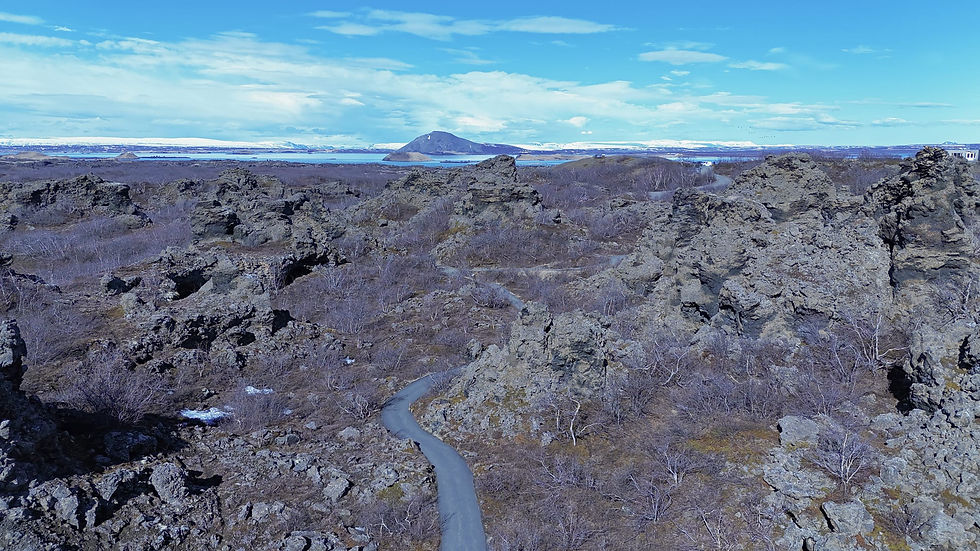
Food and activities can add up as well, but there are many ways to travel Iceland on a budget. Shopping at grocery stores, cooking your own meals, and prioritizing free natural attractions can help reduce spending. After all, many of Iceland’s best experiences, waterfalls, glaciers, beaches, and landscapes, don’t cost anything at all.
Hidden Gems You Shouldn’t Miss
While places like the Blue Lagoon and Golden Circle are famous for a reason, some of Iceland’s best experiences happen away from the biggest crowds. Exploring lesser-known locations can make your trip feel far more authentic and memorable.
One hidden gem worth visiting is Stuðlagil Canyon in East Iceland, known for its stunning basalt columns and turquoise river. Another incredible spot is the remote Westfjords region, where you’ll find dramatic cliffs, quiet fishing villages, and waterfalls without the crowds seen in the south. These areas require a bit more effort to reach, but the reward is a more peaceful side of Iceland.
Even along popular routes, there are hidden spots many travelers miss. Small geothermal pools, secret viewpoints, and lesser-known hiking trails are scattered all over the country. Taking the time to slow down and explore beyond the main attractions often leads to the most unforgettable moments.
The Best Time to Visit Iceland
The best time to visit Iceland depends entirely on the type of experience you’re looking for. Summer offers long daylight hours, easier driving conditions, and access to the Highlands, making it ideal for road trips and outdoor adventures. It’s the most popular season, but also the busiest.
Winter brings a completely different atmosphere. Snow-covered landscapes, ice caves, and Northern Lights make Iceland feel magical during the colder months. However, shorter days and unpredictable weather require more planning and flexibility. Winter is perfect for travelers looking for dramatic scenery and unique seasonal experiences.

For many travelers, the shoulder seasons, especially April and September, offer the best balance. These months combine fewer crowds, lower prices, and a mix of winter and summer conditions. You may still see snow in some areas while also enjoying longer daylight and more accessible roads.
Driving Around Iceland
Driving is by far the best way to explore Iceland. It gives you the freedom to stop at scenic viewpoints, hidden waterfalls, and quiet landscapes whenever you want. Many of Iceland’s most beautiful places are only accessible by car, which is why road trips are so popular.
In summer, driving conditions are generally easy and safe, with open roads and nearly endless daylight. Winter driving, however, can be much more challenging due to snow, ice, and strong winds. Checking weather and road conditions daily is essential during colder months.
Choosing the right vehicle also matters. While a small car is usually enough for summer trips along the Ring Road, a 4x4 vehicle is strongly recommended for winter travel or Highland roads. Proper planning makes driving in Iceland both safe and incredibly rewarding.

Comments